
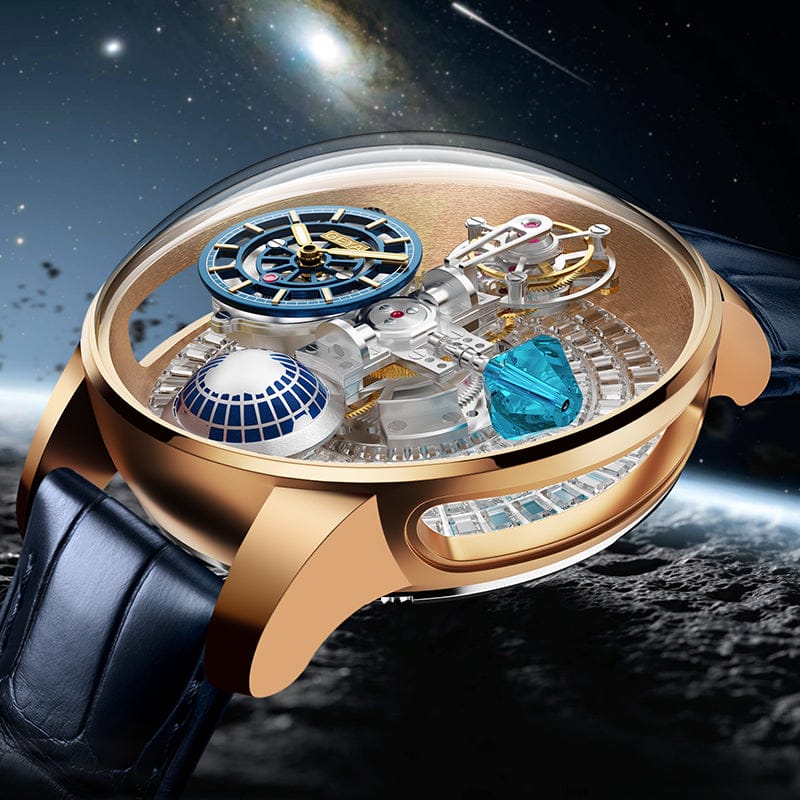
When I compare mechanical and quartz watches, I see clear trade-offs. Mechanical watches showcase intricate engineering and a sweeping seconds hand, which many collectors admire for their artistry and tradition. Quartz watches use battery-powered crystals, offering unmatched accuracy and minimal upkeep. Today, mechanical watches make up about 55% of the global market, while quartz models dominate the mass market. The right watch depends on whether you value heritage and craftsmanship or prefer precision and convenience.
Key Takeaways
- Mechanical watches show skilled craftsmanship and tradition with intricate parts working together without batteries.
- Quartz watches use battery-powered crystals to keep very accurate time with minimal maintenance.
- Mechanical watches need regular servicing and careful handling but can last for generations and may increase in value.
- Quartz watches offer great accuracy, affordability, and durability, making them ideal for everyday use and active lifestyles.
- Choose a watch based on your lifestyle, budget, and whether you value heritage and artistry or precision and convenience.
Mechanical Watch Basics
How Mechanical Watches Work
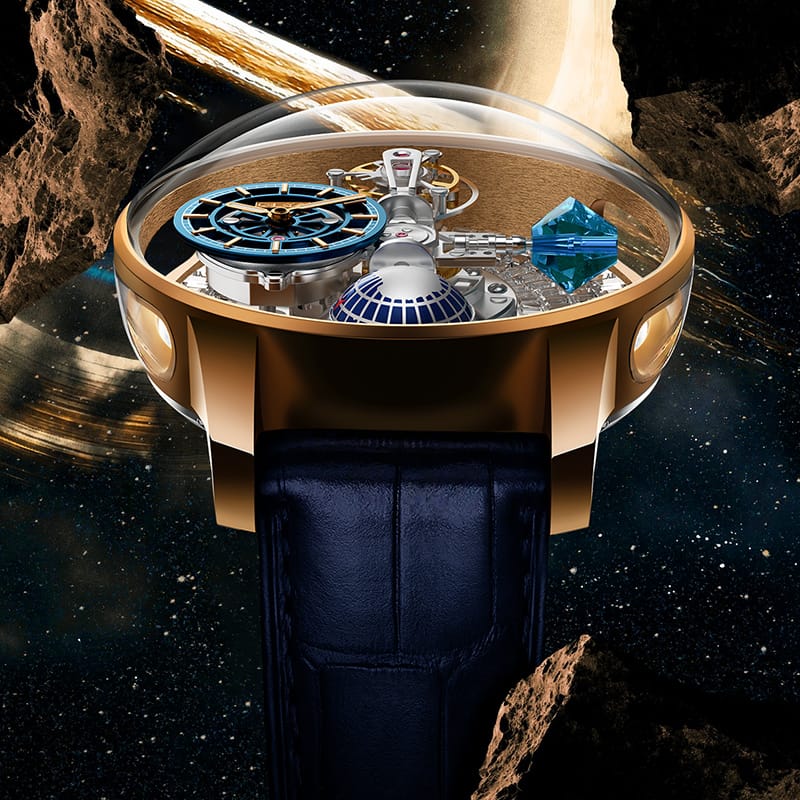
When I examine a mechanical watch, I see a marvel of engineering. The heart of every mechanical watch is its movement, which consists of many small, intricate parts working in harmony. The mainspring, a tightly wound coil of metal, stores energy when I wind the crown. This energy slowly releases through a series of gears and levers. The escapement mechanism, paired with the balance wheel, regulates the flow of energy and ensures the watch ticks at a steady rate. Unlike quartz models, mechanical watches do not use batteries or electronics. They rely entirely on mechanical energy, which gives them a unique character and a sweeping seconds hand that many enthusiasts admire.
Note: Mechanical watches require regular maintenance to keep their precision and performance. I appreciate the craftsmanship and tradition behind each piece, even though they may not match the accuracy of quartz timepieces.
Types: Manual vs Automatic
Mechanical watches come in two main types: manual and automatic. I find that manual watches require me to wind the crown every day or two. This ritual creates a personal connection with the watch and helps me appreciate its inner workings. Manual watches often have a slimmer profile because they lack the self-winding rotor found in automatics.
Automatic watches, on the other hand, use a rotor that winds the mainspring as I move my wrist throughout the day. This feature makes them more convenient for daily wear, as I do not need to wind them manually if I wear them regularly. Automatic watches tend to be thicker due to the rotor, but they offer greater ease of use and suit an active lifestyle.
- Manual watches appeal to those who value tradition and enjoy the hands-on experience.
- Automatic watches are ideal for those who prefer convenience and low maintenance.
Both types require servicing every few years, but my choice depends on how much I want to interact with my timepiece and what I value most in a watch.
Mechanical Watch Pros & Cons
Mechanical Watch Pros
When I consider the advantages of mechanical watches, several key points stand out. Enthusiasts and experts often highlight these benefits:
- Craftsmanship and Artistry
I admire the intricate work that goes into each mechanical watch. Skilled watchmakers assemble hundreds of tiny components by hand, creating timepieces that are both functional and visually stunning. - Longevity
With proper care and regular servicing, a mechanical watch can last for generations. I have seen vintage models from decades ago still running smoothly, which shows their potential to become family heirlooms. - Accuracy
Although not as precise as quartz, mechanical watches maintain time within a few seconds per day. This level of accuracy demonstrates the precision of their complex movements. - Complexity and Fascination
The harmony of gears, escapement, and balance wheel fascinates me. Collectors often appreciate the engineering and the visible movement through the case back. - Investment Value
Many mechanical watches, especially limited editions, can appreciate in value over time. I see them not just as accessories but as potential investments. - Aesthetics and Style
Mechanical watches serve as both timekeepers and works of art. Their sophisticated designs and materials appeal to a wide range of tastes.
- I also enjoy the smooth, sweeping motion of the seconds hand, which sets mechanical watches apart from quartz models. This feature adds elegance and signals the presence of a true mechanical movement.
- Mechanical watches do not require batteries. I find this aspect both sustainable and convenient, as I never worry about battery replacements.
- The perception of luxury is strong with mechanical watches. Even entry-level models carry a sense of status and tradition.
Note: The tradition and nostalgia associated with mechanical watches add to their appeal. Many collectors, including myself, enjoy building collections and exploring different brands and models.
Mechanical Watch Cons
Despite their many strengths, mechanical watches come with some drawbacks that I always consider before making a purchase.
- The complexity and delicate engineering require me to handle my watch with care. I need to understand its operation and avoid exposing it to shocks or magnetic fields.
- If I do not wear my automatic watch regularly, it may stop running. This reliance on wrist movement means I must wind it or use a watch winder to keep it going.
- Mechanical watches are vulnerable to shocks. A hard impact can misalign internal components, affecting accuracy or causing damage.
- Over time, friction among the tiny parts leads to wear and tear. I must schedule regular servicing every three to five years to keep the movement lubricated and accurate.
- Repairs and maintenance can be costly. Skilled watchmakers must handle intricate repairs, which adds to the expense.
- Automatic watches sometimes produce rotor noise due to the moving parts inside. I have noticed that these models can also be bulkier than manual wind watches.
Tip: Mechanical watches demand more frequent and detailed servicing than quartz models. I recommend planning for periodic maintenance to ensure longevity and performance.
Quartz Watch Basics
How Quartz Watches Work
When I look at a quartz watch, I see a blend of science and simplicity. The core of its operation lies in the unique properties of quartz crystals. These crystals vibrate at a precise frequency when electricity passes through them, a phenomenon known as the piezoelectric effect. This process forms the foundation of quartz timekeeping.
| Aspect | Explanation |
|---|---|
| Piezoelectric Effect | Quartz crystals deform when an electric charge is applied, causing them to oscillate at a precise frequency (commonly 32,768 Hz). |
| Oscillation Frequency | The stable vibration frequency of quartz is less affected by temperature and mechanical disturbances, ensuring accuracy. |
| Electronic Circuit | An oscillator circuit amplifies and filters the quartz crystal's vibrations to maintain a consistent frequency. |
| Frequency Division | The oscillation frequency is divided down by an integrated circuit to produce a 1 Hz electrical pulse. |
| Driving Mechanism | The 1 Hz pulse powers a stepper motor that moves the watch hands to keep accurate time. |
| Temperature Stability | Quartz's resonance frequency remains stable despite temperature changes, improving timekeeping accuracy compared to mechanical watches. |
I find the step-by-step process fascinating:
- I apply electricity to the quartz crystal, which vibrates at 32,768 times per second.
- An integrated circuit divides this high-frequency signal down to one pulse per second.
- The circuit amplifies the weak electrical signal.
- The amplified signal drives a stepper motor, which rotates with each pulse.
- The motor’s movement transfers through gears, moving the hands and displaying the time.
This technology gives quartz watches a clear advantage in accuracy. Quartz watches achieve higher accuracy because the quartz crystal’s vibration frequency remains consistent, powered by a battery. Most quartz models deviate by only about ±15 seconds per month. In contrast, mechanical watches can vary by ±2 to ±60 seconds per day due to environmental factors like temperature and magnetism. I have seen this difference firsthand when comparing my own watches.
| Watch Type | Power Source | Typical Accuracy Deviation | Measurement Period |
|---|---|---|---|
| Quartz Watches | Battery + Quartz Crystal | ±15 seconds | 1 month |
| Mechanical Watches | Mainspring + Balance Wheel | ±2 to ±60 seconds | 1 day |
Note: The stability of quartz crystals ensures that quartz watches require less frequent adjustment and provide reliable timekeeping for daily use.
Quartz Watch Pros & Cons
Quartz Watch Pros
When I evaluate quartz watches, I see several strong advantages that make them appealing for many people:
- Exceptional **Accuracy**
Quartz watches keep time with remarkable precision. The quartz crystal vibrates at a steady frequency, so I rarely need to adjust the time. Most models only lose or gain a few seconds each month, which far surpasses the accuracy of mechanical watches. - **Affordability**
I notice that quartz watches cost much less than mechanical ones. Manufacturers use automated production and simple construction, which lowers the price. This makes quartz watches accessible to a wide range of buyers. - Low Maintenance
I appreciate the minimal upkeep required. Maintenance usually involves just replacing the battery every few years. I do not need to worry about regular servicing or lubrication like I would with a mechanical watch. - Durability and Reliability
Quartz watches have fewer moving parts. This design makes them more resistant to shocks and temperature changes. I find them reliable for daily wear, and they rarely need repairs. - Long Battery Life
Most quartz watches use lithium or button cell batteries that last between 2 to 5 years. Some high-end models can run up to 10 years on a single battery. I recommend replacing the battery every few years to keep the watch running smoothly. - Practical for Sports and Professional Use
Because of their accuracy and reliability, quartz watches are ideal for timing sports events or professional activities where precise measurement matters.
Tip: If you want a timepiece that you can set and forget, a quartz watch offers unmatched convenience and peace of mind.
Quartz Watch Cons
Despite their many strengths, quartz watches have some drawbacks that I consider before making a purchase:
- **Battery Dependency**
Quartz watches rely on batteries. When the battery dies, the watch stops. I must remember to replace the battery every few years, or risk corrosion if a dead battery leaks. - **Strap and Bracelet Issues**
Many users report problems with the quality of straps and bracelets, especially on lower-priced models. I have seen rubber straps degrade and break over time. Some metal bracelets are difficult to size or adjust, which can be frustrating. - Limited Longevity and Sentimental Value
While quartz watches are reliable, they rarely become family heirlooms. I find that most people do not pass them down through generations, unlike mechanical watches. - Electronic Failures
Quartz watches can suffer from circuit board damage, crown or stem wear, and LCD issues in digital models. If the movement fails, I often find it easier and cheaper to replace the entire movement rather than repair it. - Less Mechanical Appeal
For those who enjoy the artistry and tradition of watchmaking, quartz watches may feel less special. I do not get the same sense of craftsmanship or connection as I do with a mechanical watch.
Note: Most complaints about quartz watches focus on external parts like straps and spring bars, not the movement itself. The internal mechanism remains highly reliable.
Watch Comparison
Accuracy & Maintenance
When I compare accuracy, quartz watches stand out. Most quartz models deviate by only ±15 seconds per month. Some advanced quartz movements, like the Citizen Caliber 0100, reach ±1 second per year. Mechanical watches, even high-end ones, usually range from -1 to +10 seconds per day. The Zenith Defy Lab, a top mechanical model, achieves ±0.3 seconds per day, but this remains rare.
| Watch Type | Accuracy Rate | Notes |
|---|---|---|
| Mechanical Watches | -1 to +10 sec/day | Varies by model and environment |
| High-end Mechanical | ±0.3 sec/day | Example: Zenith Defy Lab |
| Typical Quartz | ±15 sec/month | Standard quartz accuracy |
| Advanced Quartz | ±10 sec/year | Example: Breitling SuperQuartz |
| Ultra-precise Quartz | ±1 sec/year | Example: Citizen Caliber 0100 |
Maintenance also differs. I find that mechanical watches require regular servicing every 3-5 years, with costs ranging from $250 to over $1,000 depending on brand and complexity. Quartz watches need only battery replacements and occasional servicing, usually costing $20 to $150. Luxury quartz models may cost more, but still less than mechanical overhauls.
Cost & Value
Mechanical watches often carry higher price tags. Entry-level luxury mechanical models start around $2,000 and can reach $10,000. High-end brands like Patek Philippe or Audemars Piguet begin at $11,000 and go much higher. Quartz watches remain more affordable, with many quality models available under $2,000. This price gap reflects the craftsmanship and complexity of mechanical movements.
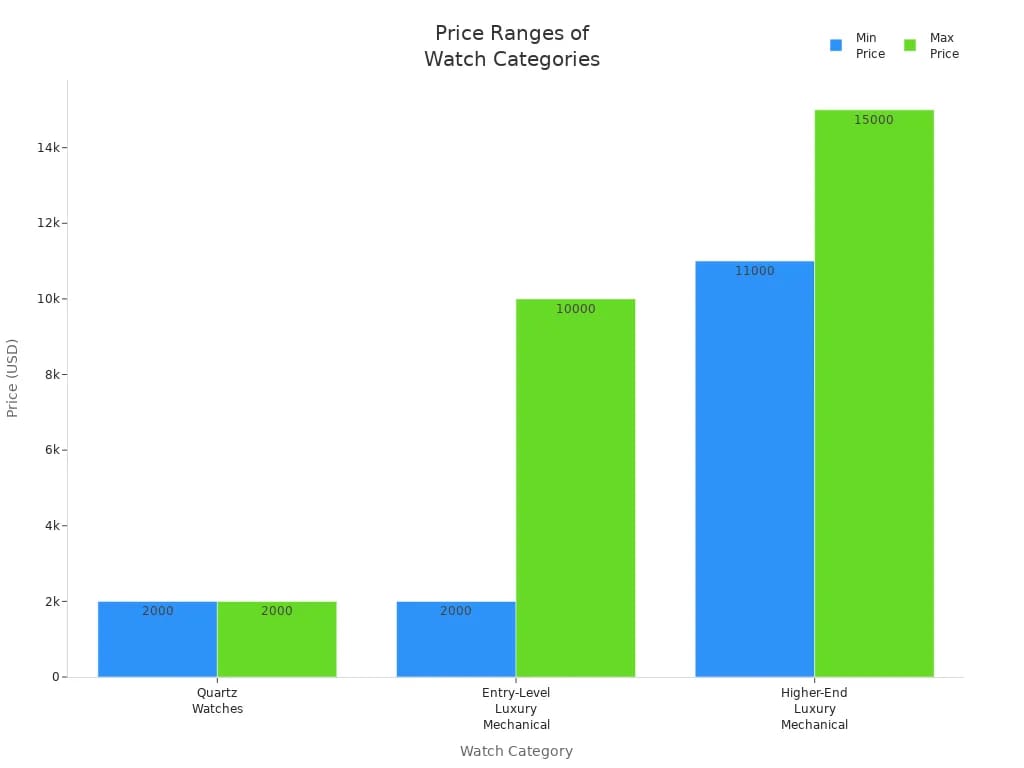
Mechanical watches can hold or increase their value, especially limited editions or iconic models. Quartz watches rarely appreciate, but they offer excellent value for daily use and reliability.
Style & Experience
Mechanical watches emphasize artistry and tradition. I see trends like skeleton dials, smaller case sizes, and unique materials such as ceramic and carbon fiber. Many brands focus on heritage, with classic complications and vintage-inspired designs. Wearing a mechanical watch feels special to me, connecting me to the history and craftsmanship behind each piece.
Quartz watches have evolved in style and technology. Brands now offer solar-powered, highly accurate, and limited-edition quartz models. I notice that quartz watches appeal to those who want modern design, practicality, and affordability. Many buyers choose based on looks rather than movement type. While quartz watches excel in convenience, some users feel they lack the emotional value of mechanical pieces.
Tip: If you seek a timepiece with lasting emotional value and tradition, mechanical watches deliver a unique experience. For accuracy and ease, quartz watches remain the practical choice.
Choosing Your Watch
Lifestyle Factors
When I select a timepiece, I always consider how it fits my daily routine and activities. Different lifestyles demand different features:
- If I value accuracy and low maintenance, I find quartz watches ideal. Their precision and reliability suit my busy schedule.
- For fashion and versatility, I notice that quartz models offer a wide range of styles, from classic to modern, which appeals to trend-conscious individuals.
- If I appreciate craftsmanship and heritage, I gravitate toward mechanical watches. These pieces connect me to tradition and artistry.
- Sports and outdoor activities require durability. I choose quartz watches for their shock resistance and water resistance.
- In professional settings, I prefer quartz for its thin profile and precise timekeeping, especially when punctuality matters.
- If I travel often or live in a region with a strong watchmaking culture, my preferences may shift. For example, European buyers often seek heritage, while North Americans look for innovation.
Tip: I always match my watch to my lifestyle, whether I need rugged durability, a fashion statement, or a symbol of tradition.
Budget Considerations
Budget plays a major role in my decision. Quartz watches are generally more affordable due to efficient manufacturing. Mechanical watches, especially those with intricate movements, often require a higher investment. I use the following table to compare typical starting budgets:
| Watch Type | Typical Starting Budget | Example Models and Price Range |
|---|---|---|
| Mechanical | Around $200 and up | Timex Marlin Hand-Wound ($199), Orient Monarch ($400-$500) |
| Quartz | Often below $200 | Wide variety available at accessible prices |
If I want a reliable, stylish option without a large investment, I choose quartz. When I seek a long-term collectible or heirloom, I allocate a higher budget for a mechanical piece.
Personal Preferences
Personal taste guides my final choice. Some days, I want the artistry and tradition of a mechanical watch. I enjoy the ritual of winding and the charm of a sweeping second hand. For me, these watches hold emotional value and often become family heirlooms. Other times, I prioritize convenience and accuracy, so I reach for a quartz model. I appreciate its low maintenance and precise timekeeping.
- If I love mechanical detail and the idea of repairability, I lean toward automatic or manual watches.
- If I want a set-and-forget experience, quartz suits my needs.
- Sentimental value matters to me. I find mechanical watches more meaningful for special occasions or gifts.
Note: I always weigh what matters most—accuracy, tradition, convenience, or emotional connection—before making my final decision.
After comparing both types, I see that mechanical watches offer craftsmanship, tradition, and potential long-term value, while quartz watches provide accuracy, durability, and low maintenance. The table below highlights the key differences:
| Factor | Mechanical Watches | Quartz Watches |
|---|---|---|
| Accuracy | Less accurate | Highly accurate |
| Maintenance | Regular servicing needed | Occasional battery replacement |
| Value | Can appreciate over time | Affordable, value may decrease |
| Style | Classic, collectible | Versatile, practical |
I recommend choosing a watch based on your priorities—whether you value heritage or convenience, style or precision.
FAQ
What is the main difference between mechanical and quartz watches?
I see the main difference in the movement. Mechanical watches use gears and springs. Quartz watches use a battery and a vibrating quartz crystal. This affects accuracy, maintenance, and user experience.
How often should I service my mechanical watch?
I recommend servicing a mechanical watch every 3 to 5 years. Regular maintenance keeps the movement accurate and extends the watch’s lifespan. I always check with the manufacturer for specific guidelines.
Can a quartz watch last as long as a mechanical watch?
Quartz watches can last many years if I replace the battery and care for the case. However, mechanical watches often become heirlooms because I can repair and service them for decades.
Are automatic watches better than manual watches?
I choose automatic watches for convenience since they wind themselves as I move. Manual watches offer a more hands-on experience. My preference depends on how much I want to interact with my watch.
Do mechanical watches lose value over time?
Some mechanical watches hold or increase their value, especially limited editions or luxury brands. I research the brand and model before buying if investment value matters to me.